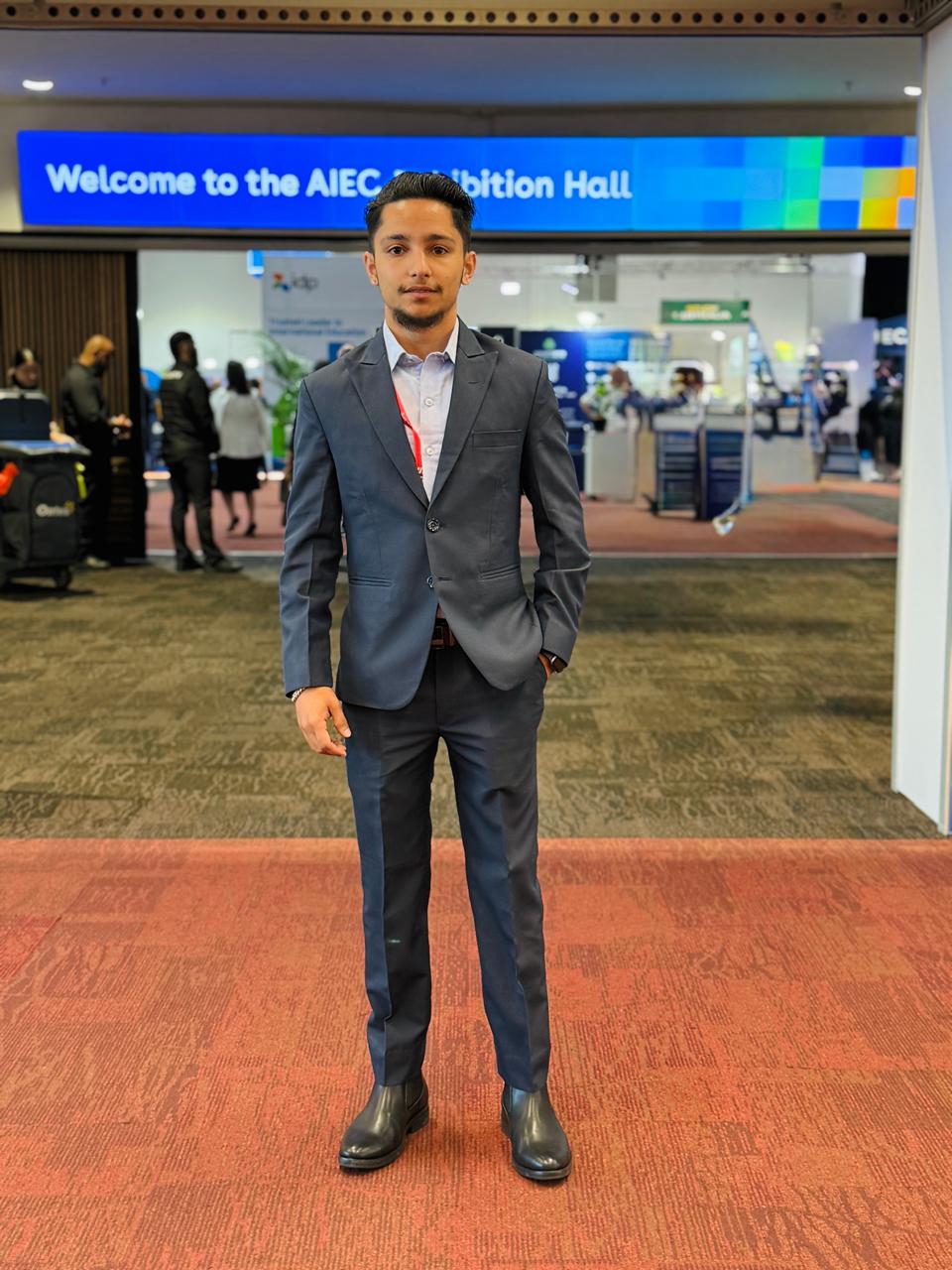
Aayush Tripathi
Director, Operations and Administration
Kathmandu, Nepal


Canada is one of the most welcoming and student-friendly countries in the world. With its diverse culture, world-class universities and high standard of living, Canada offers an ideal environment for international students seeking quality education and global exposure.
Canada's education system includes colleges and universities offering diploma, undergraduate and postgraduate programs. Institutions emphasise research, innovation and hands-on learning, preparing students for global careers. The academic year generally begins in September, with intakes also in January and May.
Globally respected universities and colleges
Post-Graduation Work Permit to gain Canadian work experience
Part-time work of up to 24 hours a week during classes
Safe, welcoming and multicultural communities
Next intake
January
2027 · in 2 months
Intake
May
2027 · in 6 months
Intake
September
2027 · in 10 months
Apply by: Ideally 8-12 months before your intake (September fills up first)
Plan my intakePopular subjects with strong career outcomes for international students.
Besides your first year's tuition and travel, a single student outside Quebec must show CAD 23,448 for living costs for applications from 1 September 2026 (CAD 22,895 before that), according to IRCC. Quebec sets its own amount.
Step 1
Apply to a Designated Learning Institution (DLI) and receive your acceptance letter.
Step 2
Your institution helps you get the provincial attestation letter, unless you're exempt.
Step 3
Prove you can pay your first year's tuition plus the living-cost amount.
Step 4
Submit your application and documents to IRCC and pay the fees.
Step 5
Give biometrics and complete a medical exam if asked.
Step 6
If approved you receive a letter; the study permit is issued when you arrive in Canada.
You need a study permit. Most applicants also need a provincial or territorial attestation letter (PAL/TAL); since 1 January 2026, master's and doctoral students at public institutions are exempt.
We don't promise visas - we prepare you professionally and accurately for every step.
Eligible students can work up to 24 hours a week off campus while classes are in session and full time during scheduled breaks. Graduates of eligible programmes can apply for a Post-Graduation Work Permit.
Always check the latest rules on these official websites.
Director, Operations and Administration
Kathmandu, Nepal
Director, Operations and Administration
Personalised guidance on courses, universities, scholarships and visas for Canada.

Study in
World-class universities, diverse programmes and strong international student pathways.

Study in
Globally recognised institutions and a wide range of undergraduate and postgraduate options.

Study in
Leading universities, specialised programmes and extensive academic opportunities.
Study in
High-quality education in a supportive and student-friendly environment.
Study in
International university campuses and a strategic location in the Middle East.
Study in
A diverse range of academic, cultural and career opportunities across multiple countries.
We use cookies to see how visitors use our website and which of our ads work, so we can improve both.